Purchase Management software for Indian businesses
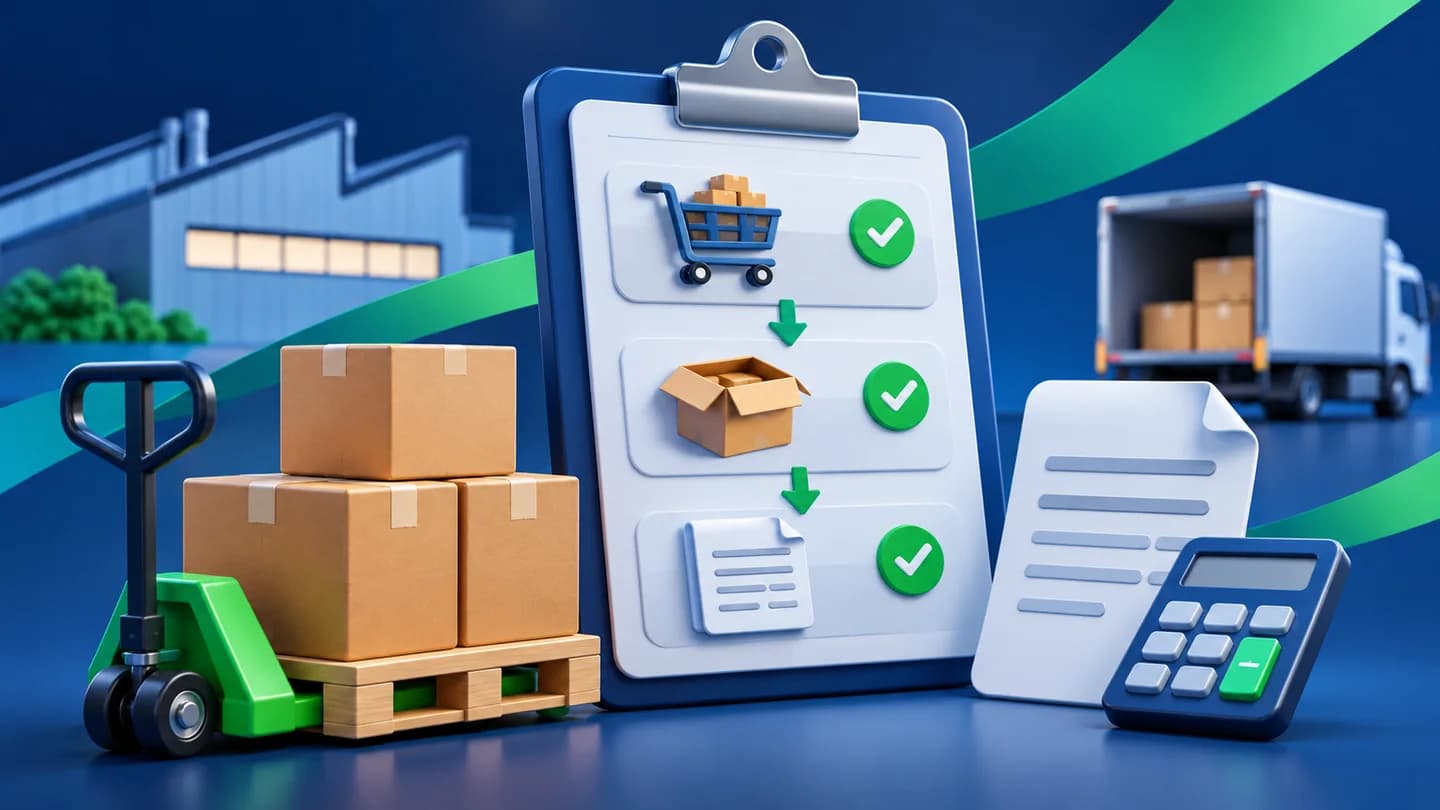
Purchase management software runs the buying transaction: raising purchase orders, recording goods receipt notes when material arrives, and matching the supplier invoice to both before payment. It suits trading, manufacturing and service companies that pay many supplier bills and want to stop paying for goods not received or at rates not agreed. Splicity can configure or build the order-to-invoice match around your accounting system.
Problems purchase management software solves
- Orders are placed by phone or message, so nobody can later prove the agreed rate or quantity.
- Supplier invoices are paid without checking that the goods were actually received in full.
- Partial deliveries leave orders open with no clear view of what is still pending.
- Rate or tax differences between the order and the invoice are found only at payment time.
- Accounts payable re-types data from orders and invoices into the accounting system.
What purchase management software should do
The capabilities to expect, and to check in any demo — whether you buy, configure or build.
Purchase order creation
Orders carry supplier, items, quantity, rate, tax, delivery date and payment terms, and can be generated from an approved requisition or a reorder suggestion.
PO approval and amendment
Orders above set limits need approval, and amendments create a revision so the supplier and the system always reference the same version.
Goods receipt note
Stores record what physically arrived against an order line, including short, excess and rejected quantities, which updates the open balance on the order.
Three-way match
The supplier invoice is compared with the purchase order and the goods receipt on quantity, rate and tax, and exceptions are held for review instead of being paid.
Tolerance rules
Small differences within a set limit can pass automatically, while larger ones go to a named reviewer.
Open order and delivery tracking
Pending quantities and overdue delivery dates are listed per supplier so buyers can chase the right orders.
Purchase returns and debit notes
Rejected goods are returned against the original receipt and a debit note adjusts what is owed to the supplier.
Who uses purchase management software
How the purchase management process works
The day-to-day process the software has to support, step by step.
Create and approve the order
The buyer raises the PO with agreed rate and terms and routes it for approval where required.
Send to supplier and track delivery
The order is shared with the supplier and its expected date is monitored.
Record the goods receipt
Stores enter the received, accepted and rejected quantities against the order lines.
Match the supplier invoice
The invoice is compared with order and receipt, and mismatches are flagged with the reason.
Release for payment
Matched bills move to accounts payable with due dates, and exceptions wait for resolution.
Integrations to plan for
Systems purchase management software commonly connects to. Confirm connector availability and any provider fees.
- Tally Prime / Zoho Books / Busy
- Inventory management system
- GSTR-2B data via GSP
- Supplier invoice email or OCR capture
- Bank payment file export
- Procurement approval system
Metrics worth tracking
- Open PO value and overdue lines — shows what is committed and which deliveries are late
- Invoice match exception rate — shows how often orders, receipts and invoices disagree
- Receipt-to-invoice posting time — shows delay between delivery and a booked liability
- Supplier delivery adherence — shows which suppliers deliver on the promised date
- Price variance against PO — shows rate drift between agreed and billed amounts
India: compliance and market notes
- The supplier invoice is the basis for claiming input tax credit, so matching should check GSTIN, HSN or SAC code, tax split and amount against the order, and ideally against what appears in GSTR-2B.
- Payments to registered micro and small enterprises are subject to time limits under the MSMED Act, and Section 43B(h) of the Income-tax Act links the deduction to timely payment, so due dates on matched bills should be tracked.
- Reverse-charge purchases need to be flagged at the order or invoice stage so the tax treatment is not missed.
General information, not legal or tax advice. Confirm how these apply to your business with your adviser.
Off-the-shelf or tailored?
Accounting packages such as Tally, Zoho Books or Busy often include basic purchase orders and are enough when volume is low and receipts are informal. A tailored build pays off when you need approval limits, partial-receipt tracking, tolerance-based three-way match or integration with your own stores and stock process. Check how your current tool handles a partial delivery with a rate mismatch before deciding.
Pricing
Pricing is quote-based. It depends on the number of users and locations, the modules you need, integrations, data migration, hosting (cloud or your own servers) and the support level you choose. We scope it on a short requirements call and confirm everything in writing before work starts.
How to evaluate purchase management
Before a demo, write down who owns each step of the workflow above, where today's data comes from and which decisions need approval. Then put these questions to every vendor, including us:
Questions to bring to your demo
- Demonstrate purchase order creation and PO approval and amendment using a sample from our own business, including one exception case.
- Which of these integrations are available as standard, and which need configuration or development: Tally Prime / Zoho Books / Busy, Inventory management system, GSTR-2B data via GSP?
- How does your setup handle this requirement: The supplier invoice is the basis for claiming input tax credit, so matching should check GSTIN, HSN or SAC code, tax split and amount against the order, and ideally against what appears in GSTR-2B?
- How will we track open PO value and overdue lines, and can we export the underlying data?
- How are existing records imported and checked, and how do we get our data back if we change systems?
Confirm included features, supported platforms, implementation work and commercial terms in your proposal before purchase.
Questions, answered
What is a three-way match?
It compares three documents before payment: the purchase order, the goods receipt note and the supplier invoice. If quantity, rate or tax disagrees beyond a tolerance, the bill is held for review instead of being paid automatically.
How is this different from procurement management?
Procurement handles requisitions, quotes and supplier selection. Purchase management starts once a supplier is chosen: it issues the order, records receipt and checks the invoice.
Can it handle services where there is no physical receipt?
Yes in principle, by replacing the goods receipt with a service acceptance or approval by the budget owner. Ask how acceptance is recorded and who is allowed to confirm it.
Does it post entries to our accounting software?
Purchase systems usually post bills and debit notes to the accounting package so creditors stay in one ledger. Confirm whether this is by integration or file import, and how rejected postings are surfaced.
Ready to grow with Purchase Management
Tell us a little about your needs and our team will follow up to scope a demo and a quote for your setup.
Scope
Discuss your workflow
Demo
Review the fit
Quote
Confirm costs
Plan
Agree next steps
Plan your rollout
Discuss data migration, configuration and team onboarding.
Define requirements
Review access, data handling and recovery expectations.
Agree on support
Confirm support coverage and responsibilities in your proposal.