
Let Clients Book Themselves — While You Stay in Control
We design and build appointment booking systems that connect your calendar, your team, and your clients in one seamless flow. The result is fewer no-shows, less back-and-forth, and more confirmed bookings every day.
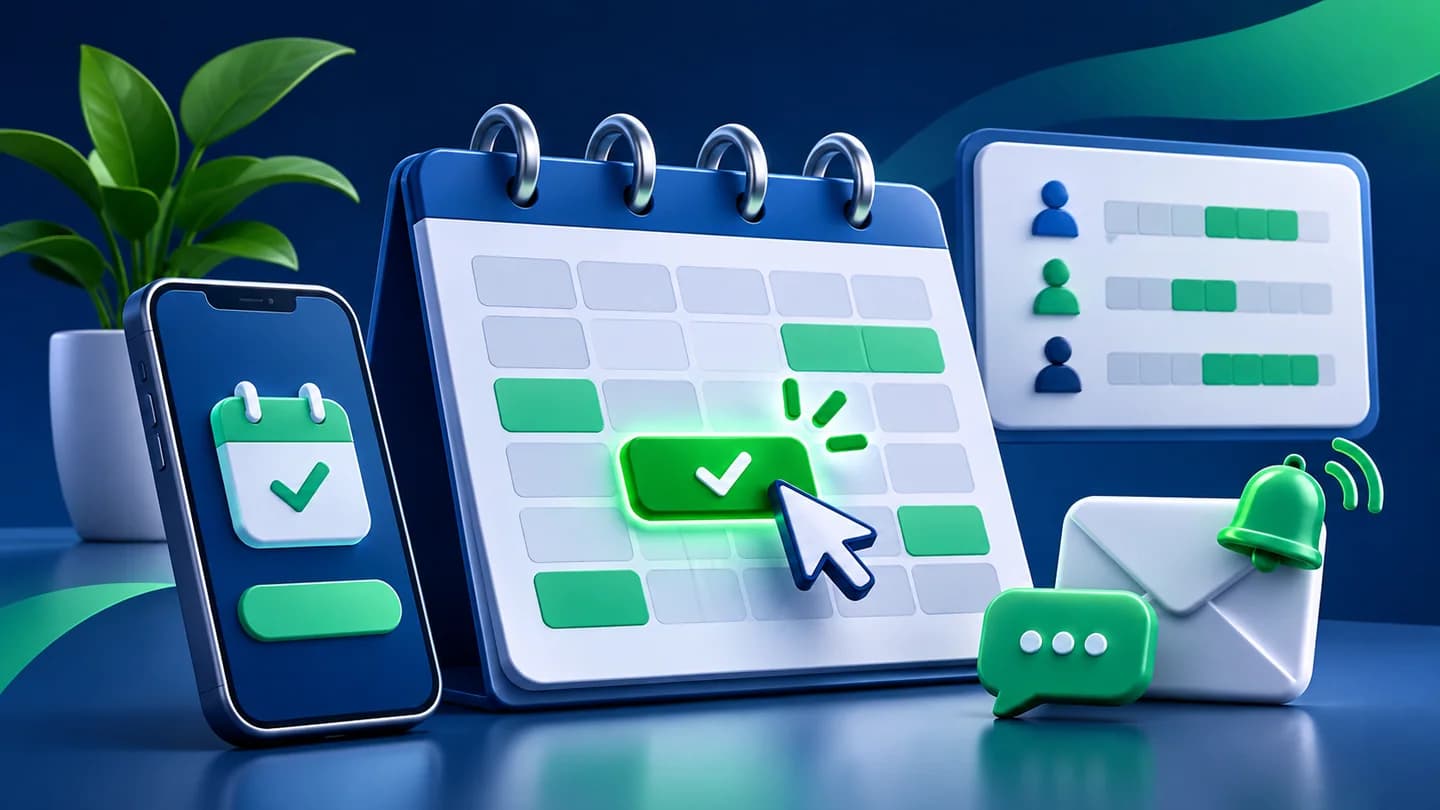 E-Commerce
Scheduling rules that match how you work
Multi-resource bookings, recurring series, group sessions, waitlists and approval flows are modelled directly instead of being worked around with plugins.
No double bookings by design
Slot holds are enforced in the database transaction, not only in the browser, so concurrent customers and staff edits cannot collide.
Your customer data stays with you
Contact details, history and payment references live in your own database, ready to feed your CRM or reporting without export fees or vendor limits.
Appointment Booking System
The outcome we're after
Off-the-shelf schedulers work until your rules stop fitting them: a consultant who works in two locations, a room that must be free alongside a technician, a service that needs a buffer before the next client, or a booking that must be approved before it is confirmed. At that point teams fall back to phone calls and spreadsheets, and double bookings return.
We design a booking system around your actual scheduling model. The core is an availability engine that treats a slot as a claim on a set of resources (person, room, equipment) and holds it with a short-lived lock while the customer pays or fills in a form, so two people can never confirm the same slot. Rules for duration, buffers, lead time, cancellation windows and approval are data in an admin screen, not code that needs a release to change.
At handover you own the source code, the database schema and the booking data. The system runs on infrastructure you control, integrates with the calendars, payment gateway and messaging channels you already use, and is documented so another team can maintain it if needed.
What we deliver
Key offerings
Scope
What a custom appointment booking system build includes
Availability and slot-locking engine
Computes open slots from working hours, exceptions, buffers and existing bookings, and places a time-limited hold at checkout that is released automatically if payment is not completed.
Resource and staff calendars
Models providers, rooms and equipment with their own hours, leave and skills, so a booking can require several resources at once.
Customer booking flow
A responsive web flow with service selection, intake forms, rescheduling and cancellation by secure link, and optional guest checkout.
Payments and deposits
Full payment, deposit or pay-at-venue options through your gateway, with refund rules tied to the cancellation window.
Reminders and notifications
Email, SMS and WhatsApp reminders with templates you edit, plus confirmation and no-show follow-ups. SMS delivery in India needs DLT-registered templates.
Two-way calendar sync
Pushes confirmed bookings to Google or Microsoft calendars and reads busy time back so staff are not booked over personal events.
Admin console and reporting
Day and week views, manual bookings, overrides, audit trail of every change and exportable reports on utilisation and cancellations.
Engineering
Architecture and technology
We keep the availability logic in a single backend service so the website, admin console and any future mobile app all use the same rules. Slots are not stored as pre-generated rows; they are computed from rules and checked against bookings inside a transaction, with an exclusion constraint or row lock on the resource and time range to make double booking impossible at the database level. Holds are stored with an expiry and cleaned up by a scheduled job. All times are stored in UTC with the venue's time zone kept explicitly, which avoids daylight-saving and multi-location errors. Notifications run through a queue so a failed SMS never blocks a booking.
Typical stack
- Next.js
- TypeScript
- Node.js
- PostgreSQL
- Redis
- Razorpay or Stripe
- Google Calendar API
- Docker
Delivery
How we deliver it
- 01
Scheduling discovery
We map your services, resources, rules and edge cases (approvals, packages, multi-location) and agree the scope of the first release.
- 02
Data model and availability engine
We build and test the core engine first with automated tests for concurrency, buffers and time zones, because everything else depends on it.
- 03
Booking flow and admin console
Customer-facing screens and the staff console are built together and reviewed on a staging site with your team.
- 04
Integrations and notifications
Payments, calendar sync and messaging channels are connected and tested against real accounts in sandbox mode.
- 05
Launch and support
We migrate existing appointments, run a supervised launch and then agree a maintenance arrangement.
Planning
What drives cost and timeline
- Number of resource types a single booking can depend on
- Complexity of rules such as recurring series, packages, group capacity and approvals
- Number of locations, time zones and languages
- Integrations with payment, calendar, CRM and messaging providers
- Migration of existing appointment history from spreadsheets or another tool
- Whether a native mobile app is needed alongside the web flow
India: compliance and market notes
- Reminder SMS in India must use templates registered on a TRAI DLT platform, which we account for in the notification design.
- Collecting customer contact details falls under the DPDP Act 2023, so the booking flow records consent and the purpose for which data is used.
General information, not legal or tax advice.
Comparing ready-made options first? Read our guide to appointment booking software.
Why Splicity
Why teams choose us for this
A senior team, a fixed plan and long-term ownership — the things that decide whether a project actually succeeds.
One accountable team
Strategy, design, build and support handled end to end by senior people — not handed off and lost.
Fixed, transparent scope
A clear plan and estimate before any work begins. No open-ended billing, no surprises.
Built to scale & rank
Performance, security and SEO engineered in from day one — not bolted on at the end.
A long-term partner
We support, monitor and evolve what we build, so it keeps delivering value long after launch.
FAQ
Frequently asked questions
Do we own the source code?
Yes. The code, database schema and documentation are handed over to you, and the system is deployed in infrastructure you own or control.
Can it work with the calendar and payment tools we already use?
Usually yes. We integrate through published APIs for Google and Microsoft calendars and for common Indian and international payment gateways.
Where is it hosted?
On a cloud or VPS account in your name, in an Indian region if you need data to stay in India. We can also host and monitor it for you.
When should we use a ready-made scheduler instead?
If you have one provider, simple hour-long slots and no unusual rules, a subscription tool is cheaper and faster. Custom development pays off when scheduling rules or data ownership are central to the business.
Who maintains it after launch?
We offer a maintenance plan covering fixes, dependency updates and small changes, but the code is yours and any competent team can take it over.
How we build it
Related projects & blueprints
E-Commerce · Solution blueprint
Headless Commerce Replatform
How we move a slow, plugin-heavy online store to a headless architecture — a fast storefront on a modern commerce engine — while protecting existing search rankings, payment flows and operations.
Read the blueprint →
More in E-Commerce & Business Solutions
Related services
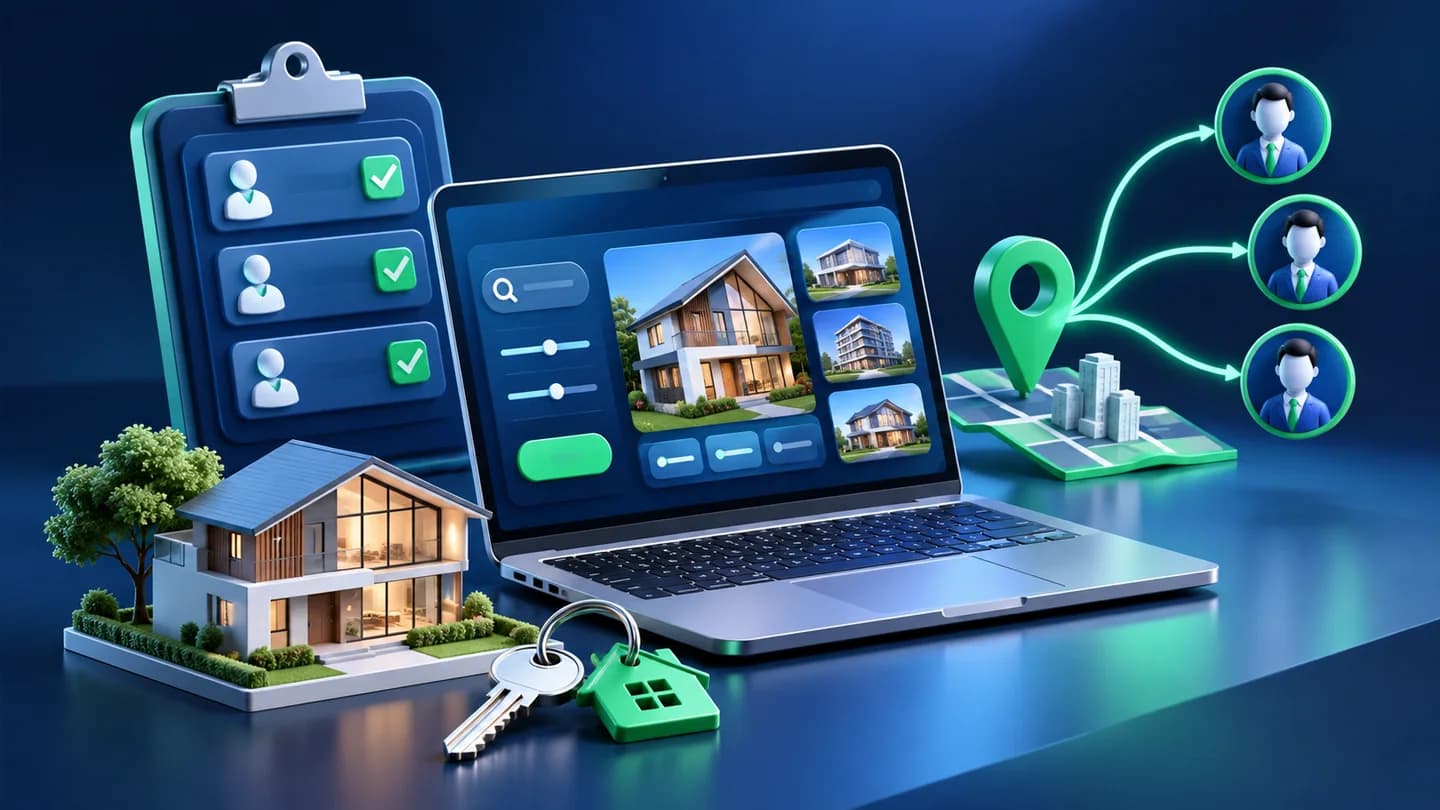
Real Estate Platform Development
Splicity designs and develops end-to-end real estate platforms — from searchable listing portals to broker CRM systems. Clients get a scalable, branded tool that brings buyers, sellers, and agents onto one efficient workflow.
Explore→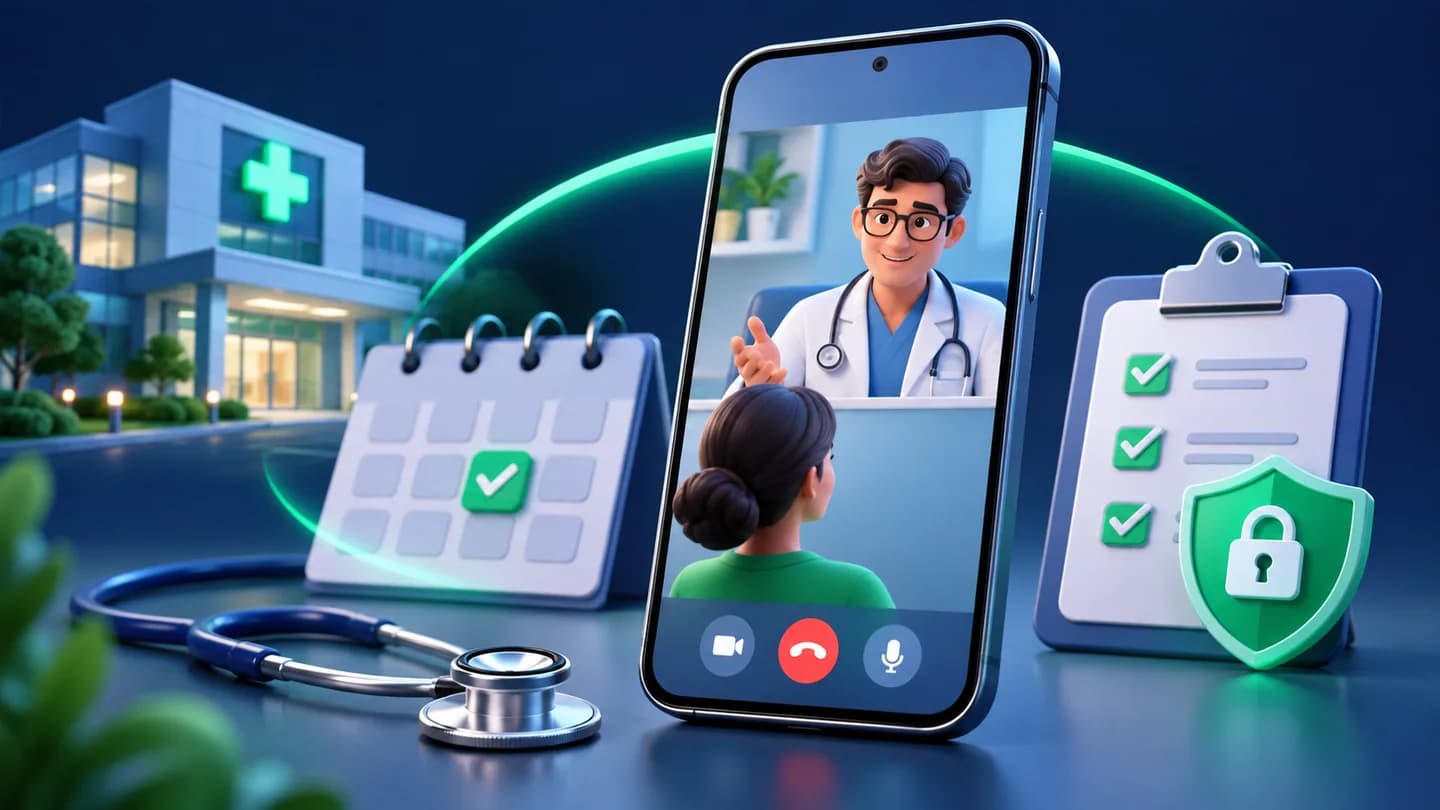
Healthcare App Development
We design and develop healthcare applications that connect patients with providers through secure portals and live video consultations. Clinics and health startups get a compliant, production-ready platform that reduces administrative load and improves patient retention.
Explore→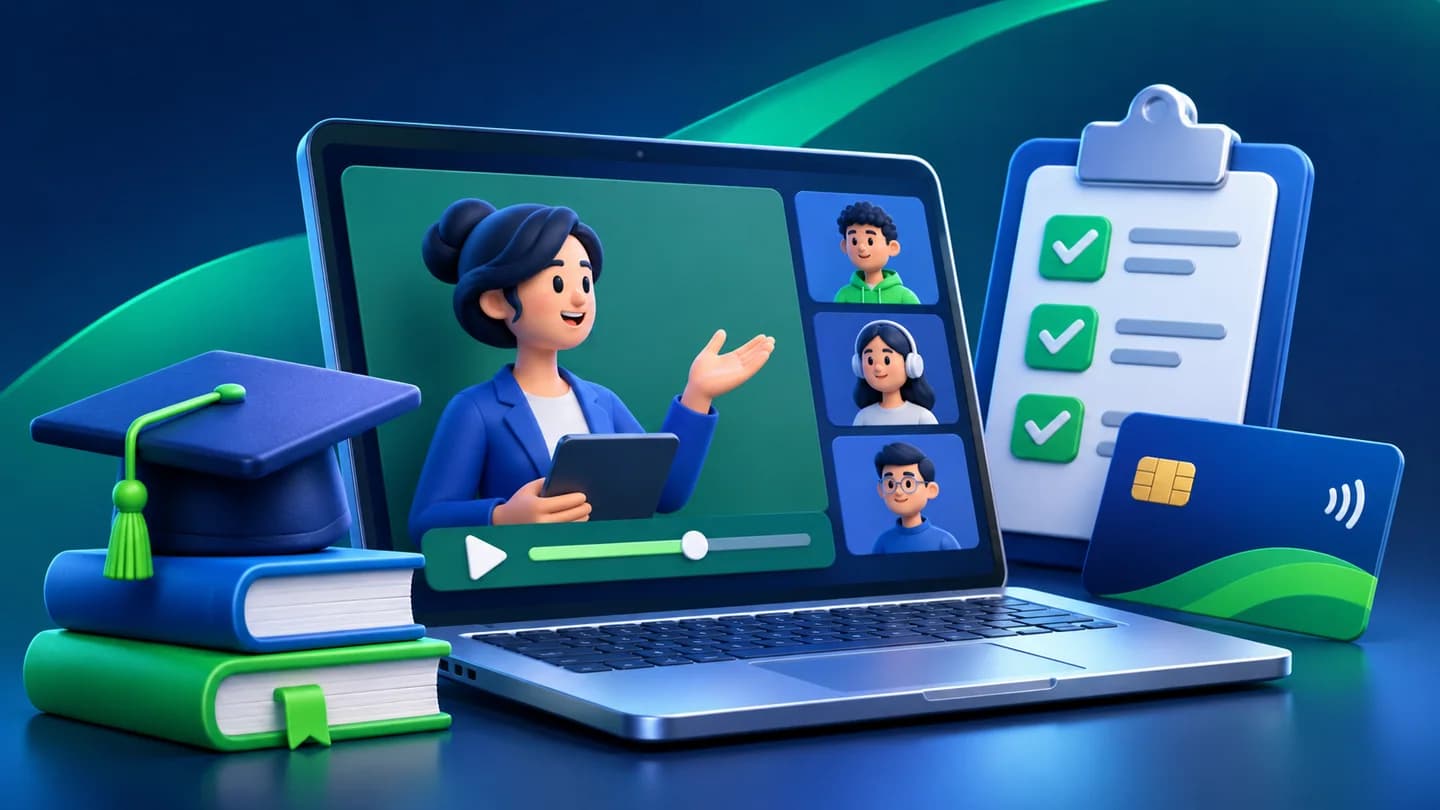
EdTech Platform Development
We design and develop full-featured EdTech platforms — online schools, tutoring marketplaces, and learning management systems — tailored to how your educators teach and your learners engage. Clients launch faster, retain more students, and reduce admin overhead from day one.
Explore→
FinTech App Development
Splicity designs and engineers digital banking platforms and payment wallets that handle real transaction volumes securely. Clients launch faster, reduce fraud exposure, and build lasting user trust.
Explore→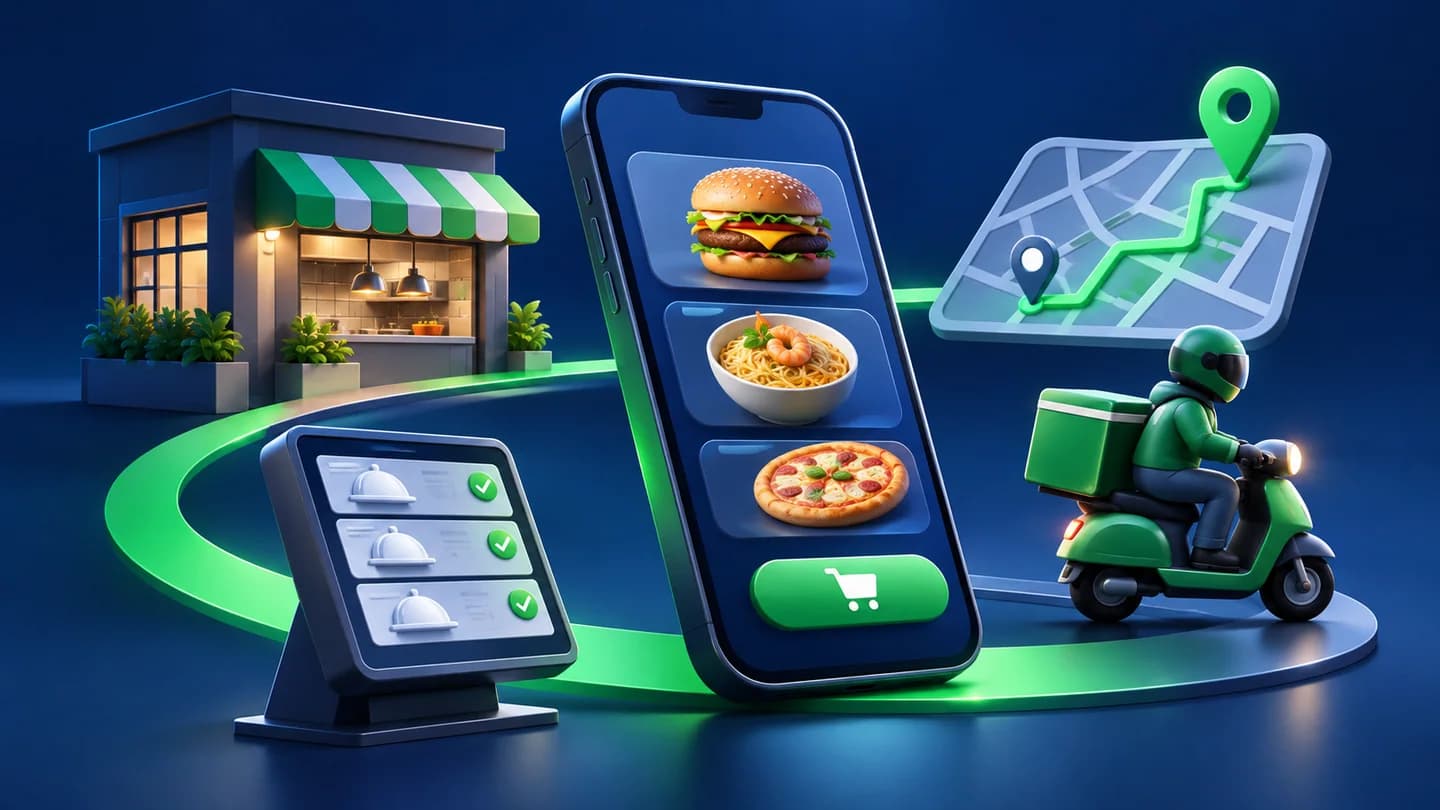
Food Delivery App Development
We design and build end-to-end food delivery platforms, from menu browsing and cart checkout to real-time driver tracking. Restaurants launch faster, reduce missed orders, and retain more customers through a seamless digital experience.
Explore→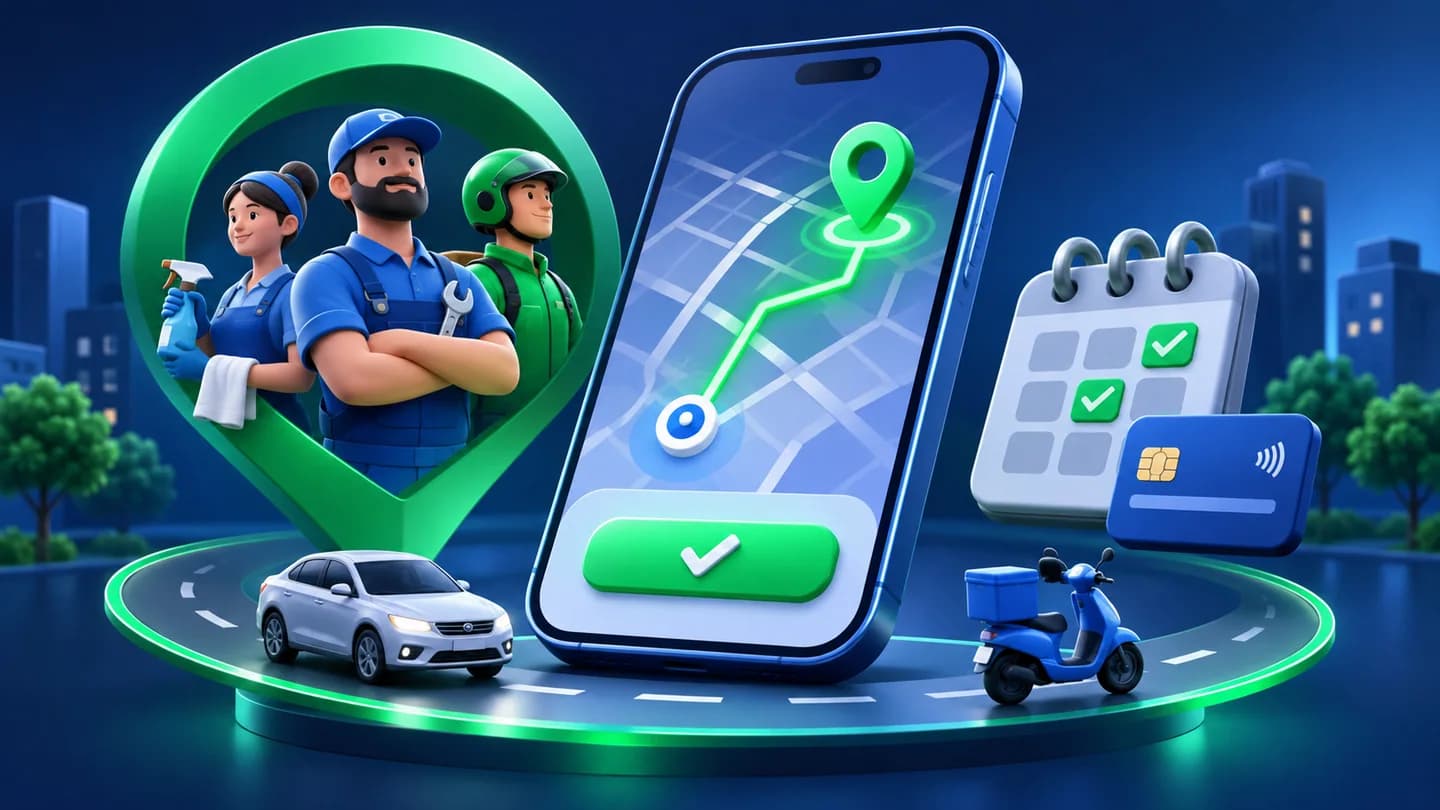
On-Demand App Development
Splicity Dynamics designs and engineers on-demand platforms that match customers with service providers instantly, handling booking, dispatch, and payment in one seamless flow. Clients launch faster, reduce operational friction, and capture revenue from every completed job.
Explore→Ready to start your appointment booking system project?
Tell us what you're building. We'll scope it and come back with a clear plan, timeline and estimate.