
Build Your Own Amazon-Style Marketplace Platform
We design and develop multi-vendor marketplace platforms where independent sellers can list, sell, and manage their own storefronts under your brand. You get a production-ready platform with automated payouts, vendor controls, and the infrastructure to onboard thousands of sellers.
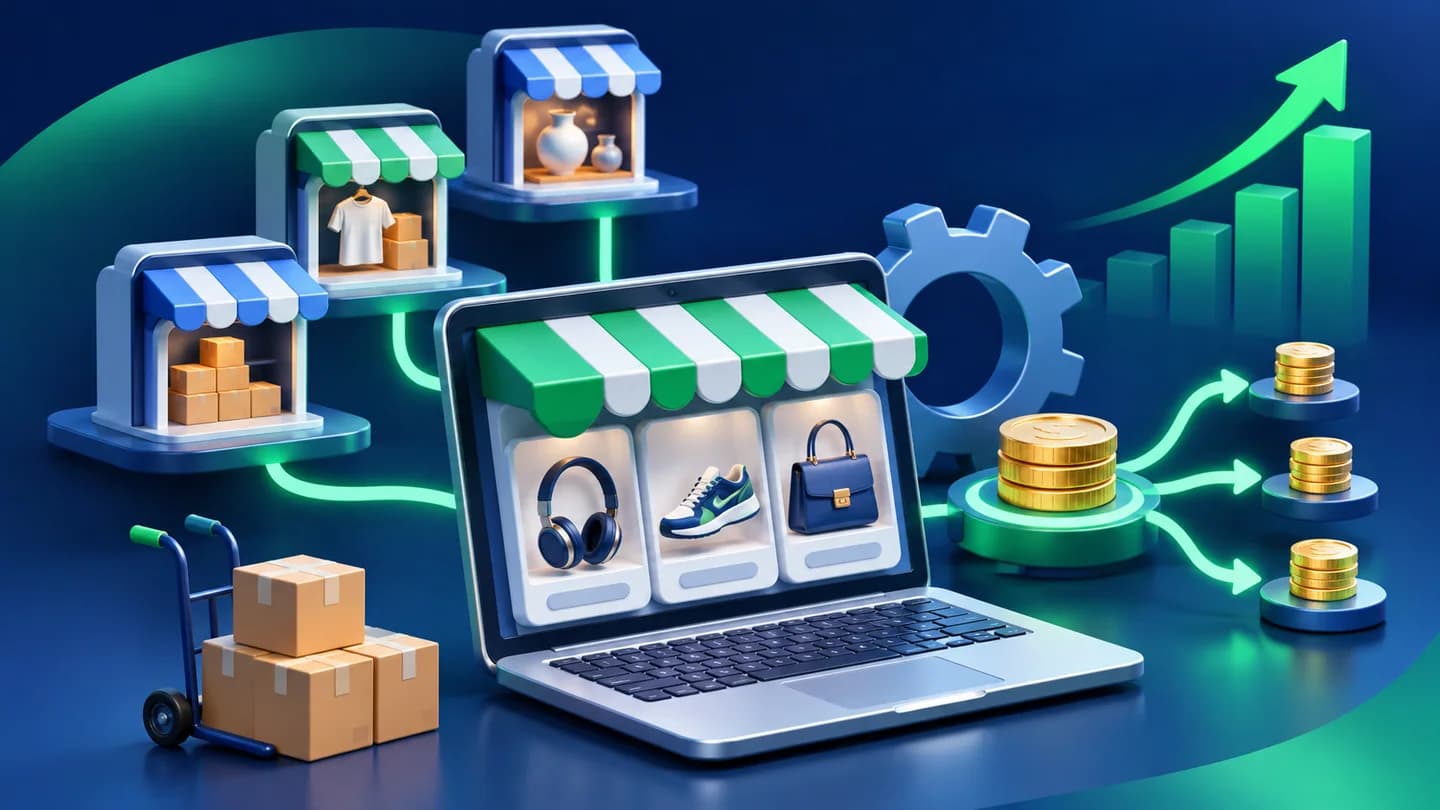 E-Commerce
Correct money flow
A double-entry ledger separates customer payments, vendor payables and platform revenue, so settlement reports reconcile to bank statements.
Fulfilment by vendor
Orders split by vendor, with their own shipment, cancellation and return states, rather than a single status for a mixed basket.
Quality and trust controls
Vendor verification, catalogue moderation and ratings help keep the marketplace credible as it grows.
Multi-Vendor Marketplace Development
The outcome we're after
A marketplace is a payments and trust business before it is a catalogue. Money from one customer order has to be split across several vendors and the platform fee, held until delivery conditions are met, adjusted for returns and settled on a schedule that accounting can reconcile. Storefront plugins that add vendors to an online shop rarely handle this properly.
We design the marketplace around its money flow and its operations. Each customer order is decomposed into vendor sub-orders that are fulfilled, shipped and returned independently, while a ledger tracks what is owed to each vendor, what the platform has earned and what is held. Vendor onboarding, catalogue quality controls, commissions and dispute handling are built as first-class workflows.
You own the marketplace code, the vendor and customer data and the settlement ledger. Commission rules and payout terms are configuration, so you can change your business model without engineering work.
What we deliver
Key offerings
Scope
What a custom multi-vendor marketplace development build includes
Vendor onboarding and verification
Registration, document and bank detail collection, approval workflow and category-wise commission assignment.
Vendor dashboard
Catalogue and stock management, order handling, shipping labels, payout statements and performance metrics.
Catalogue and search
Shared product catalogue with variants and attributes, listing moderation and fast faceted search across vendors.
Cart, checkout and order splitting
Single checkout for a multi-vendor basket, split into sub-orders with per-vendor shipping and taxes.
Split payments and settlement ledger
Payment capture, commission calculation, hold periods, refund adjustments and scheduled vendor payouts.
Returns, disputes and reviews
Return and refund flows by vendor, customer-to-vendor dispute escalation and verified-purchase reviews.
Tax and compliance outputs
Invoices and records for vendors and the platform, including TCS data reporting for e-commerce operators.
Admin and analytics
Moderation queues, commission and fee configuration, fraud flags and marketplace performance reports.
Engineering
Architecture and technology
We model an order as a parent with vendor sub-orders, and every monetary event as entries in an append-only double-entry ledger. Payment capture, vendor liability, commission and refunds are separate ledger accounts, which makes settlement a query rather than a spreadsheet exercise. Payouts run as scheduled, idempotent jobs against a payout provider's API. Search runs on a dedicated index fed by catalogue events so vendor uploads never slow shoppers. Inventory is owned by the vendor and decremented with reservation at checkout, and bulk catalogue imports are validated in a staging step before going live.
Typical stack
- Next.js
- TypeScript
- Node.js
- PostgreSQL
- OpenSearch or Elasticsearch
- Redis
- Razorpay Route or comparable split-payment service
- S3-compatible object storage
Delivery
How we deliver it
- 01
Marketplace model and money flow
We define who sells, who ships, who holds the customer relationship, fees, payout terms and the dispute policy.
- 02
Ledger, catalogue and vendor core
Vendor accounts, catalogue and the settlement ledger are built first and tested with simulated orders and refunds.
- 03
Storefront and checkout
Search, product pages and multi-vendor checkout are built, along with order splitting and notifications.
- 04
Vendor operations and payouts
Vendor tools, payout runs and reconciliation are tested with a small group of pilot vendors.
- 05
Launch and vendor scaling
Bulk onboarding tools, moderation capacity and monitoring are put in place before opening to many vendors.
Planning
What drives cost and timeline
- Settlement complexity: hold periods, partial refunds, multiple commission types
- Vendor tooling depth: bulk upload, shipping integrations, inventory sync
- Logistics integrations and shipping rate handling
- Catalogue scale and search requirements
- Dispute, fraud and moderation workflows
- Mobile apps for buyers and for vendors
India: compliance and market notes
- E-commerce operators are covered by the Consumer Protection (E-Commerce) Rules 2020, which affect grievance handling and seller information disclosure.
- Operators may be required to collect tax at source under Section 52 of the CGST Act, so the ledger records the data needed for TCS filings; confirm applicability with your tax adviser.
- Holding and splitting customer funds should use an RBI-authorised payment aggregator with a nodal or escrow arrangement.
General information, not legal or tax advice.
Comparing ready-made options first? Read our guide to multi-vendor marketplace software.
Why Splicity
Why teams choose us for this
A senior team, a fixed plan and long-term ownership — the things that decide whether a project actually succeeds.
One accountable team
Strategy, design, build and support handled end to end by senior people — not handed off and lost.
Fixed, transparent scope
A clear plan and estimate before any work begins. No open-ended billing, no surprises.
Built to scale & rank
Performance, security and SEO engineered in from day one — not bolted on at the end.
A long-term partner
We support, monitor and evolve what we build, so it keeps delivering value long after launch.
FAQ
Frequently asked questions
Do we own the marketplace code and ledger?
Yes. The source code, database and settlement ledger are delivered to you.
Can we connect existing logistics and accounting tools?
Yes. We integrate shipping aggregators and export ledger data or journal entries to accounting software.
Where is it hosted?
In your cloud account, with search, application and database scaled separately as vendor and traffic volumes grow.
When should we use a marketplace plugin or SaaS instead?
To validate a marketplace idea with few vendors and simple commission, a hosted marketplace product is faster. Move to a custom build when your payout rules, vendor workflows or scale outgrow it.
What maintenance does a marketplace need?
Payment provider changes, tax rule updates, fraud tuning, performance work as catalogue grows and new vendor features.
How we build it
Related projects & blueprints
E-Commerce · Solution blueprint
Headless Commerce Replatform
How we move a slow, plugin-heavy online store to a headless architecture — a fast storefront on a modern commerce engine — while protecting existing search rankings, payment flows and operations.
Read the blueprint →
More in E-Commerce & Business Solutions
Related services
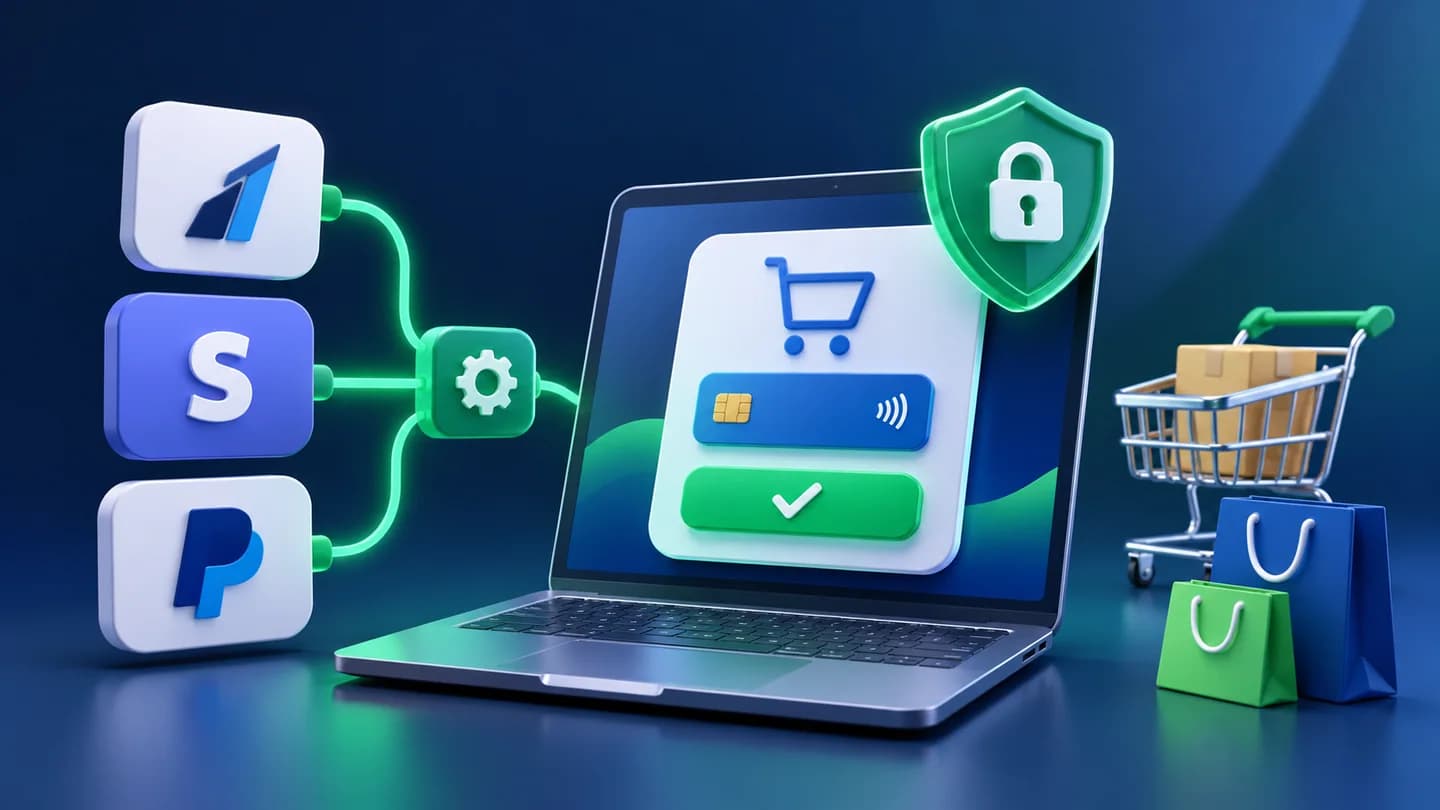
Payment Gateway Integration
We connect your platform to the right payment gateway — Razorpay, Stripe, PayPal, or others — configured for your business model and customer base. The result is a smooth, secure checkout that converts browsers into paying customers.
Explore→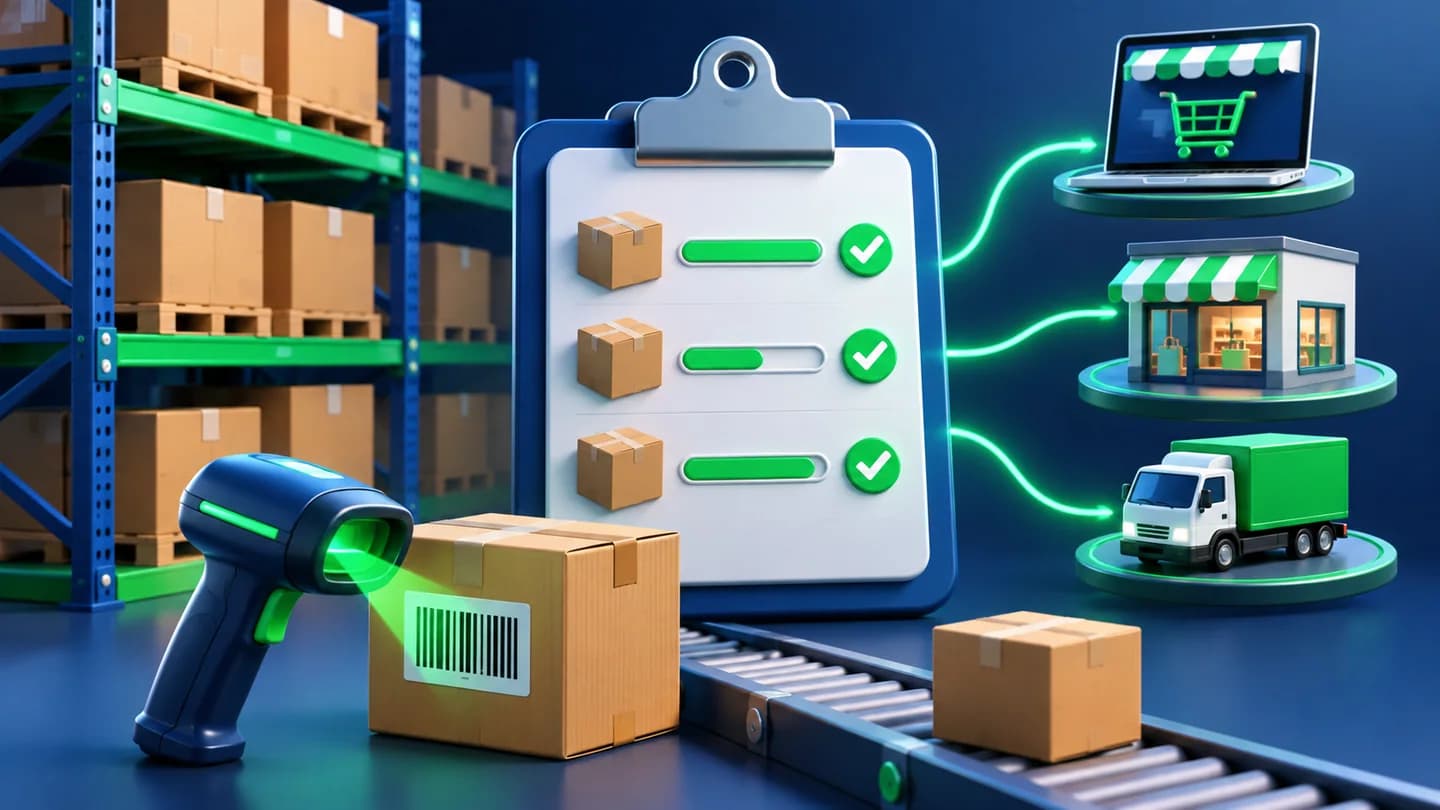
Inventory Management System
We build custom inventory management systems that track stock in real time across warehouses, stores, and online channels. Clients gain full visibility over their supply chain and stop losing revenue to stockouts or costly overstock.
Explore→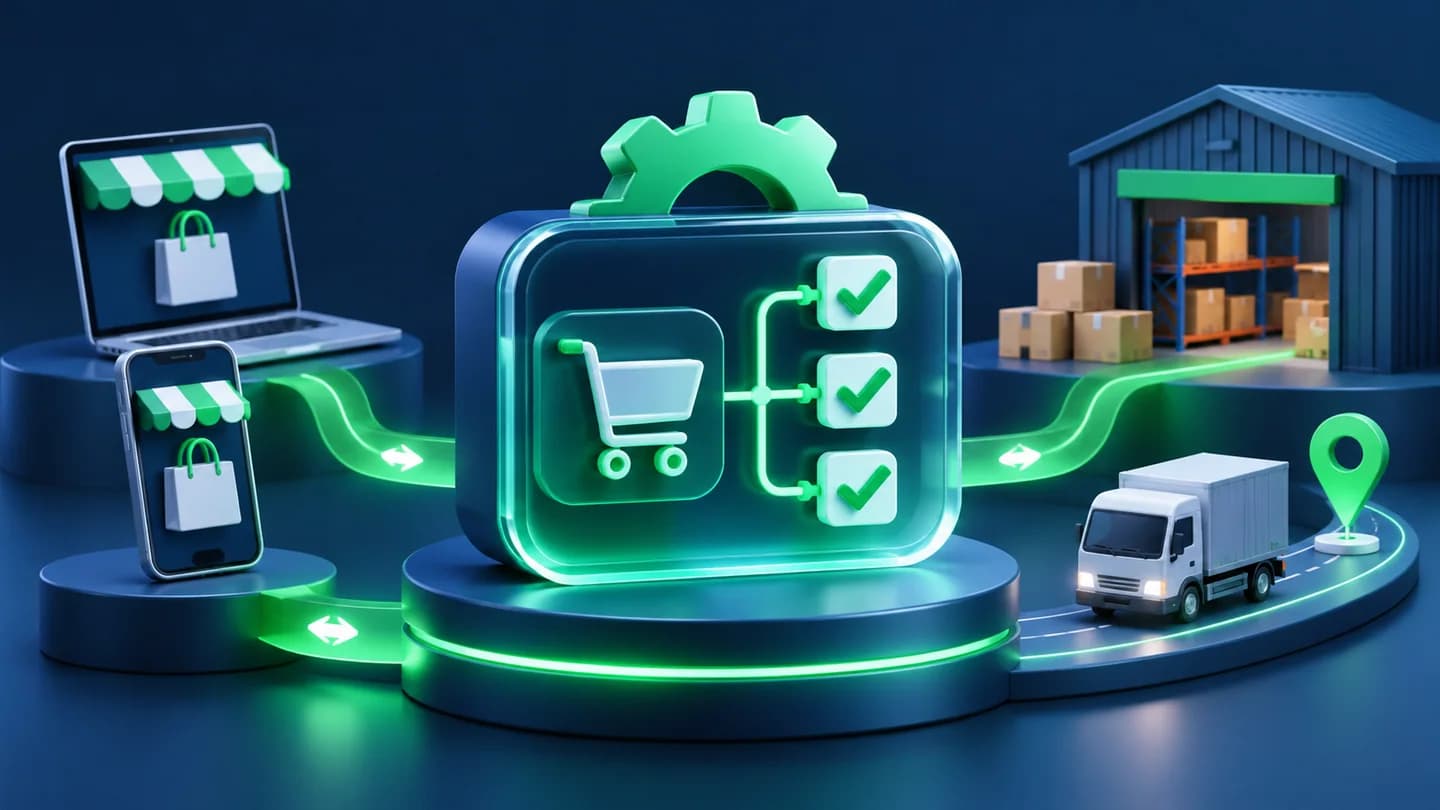
Order Management System
Splicity Dynamics builds custom order management systems that connect your sales channels, warehouses, and logistics into one unified workflow. The result is faster fulfillment, fewer errors, and customers who always know where their order stands.
Explore→
Subscription & Membership Platform
We design and develop subscription and membership platforms that handle recurring billing, tiered access, and lifecycle automation from day one. The result is predictable monthly revenue and a member experience your customers actually want to stay for.
Explore→
Loyalty & Rewards System
We design and develop gamified loyalty and rewards platforms tailored to your business model, from tiered point systems to milestone-based incentives. Clients see measurable increases in repeat purchase rates and customer lifetime value within the first quarter.
Explore→
Live Chat & Support Integration
We configure and integrate live chat and helpdesk platforms — Intercom, Freshdesk, and Zendesk — directly into your website or app. The result is a support layer that reduces response times, keeps customers informed, and frees your team from repetitive manual work.
Explore→Ready to start your multi-vendor marketplace development project?
Tell us what you're building. We'll scope it and come back with a clear plan, timeline and estimate.